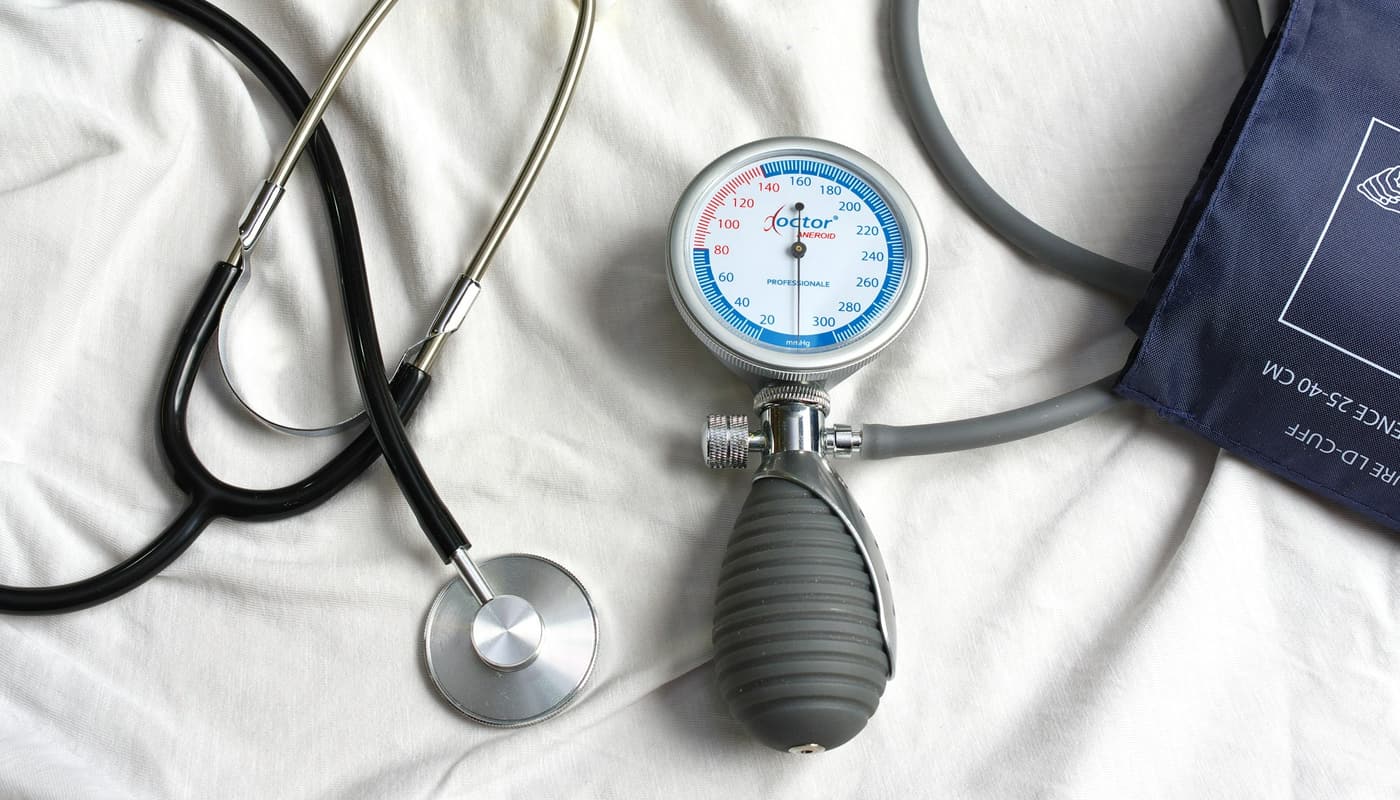
To check your blood pressure at home, sit down calmly, rest your bare upper arm on a table at roughly heart height, fit a validated upper-arm cuff snugly, stay still and silent while it inflates, then repeat after a short gap and write both readings down. According to the NHS, a home reading of 135/85 or higher is usually considered high, which is lower than the 140/90 used in a clinic.
Why check at home at all?
High blood pressure usually causes no symptoms, so the only way to know is to measure it. The NHS says a GP who suspects high blood pressure may ask you to use a home monitor regularly over the next few days and then return for a recheck. Readings taken in your own living room can also look different from those taken in a surgery, because a clinic visit can itself make some people tense.
The NHS also says that checks matter particularly if you are 40 or over, are from a Black or South Asian background, have close relatives with high blood pressure, smoke, drink too much alcohol or caffeine, eat too much salt or live with obesity. If you want to understand what the two numbers represent first, our guide to blood pressure numbers and what they mean covers it.
Which home blood pressure monitor should you buy?
The British Heart Foundation recommends an upper-arm cuff, and says a wrist cuff should be used only if an upper-arm one is not possible. It also advises choosing a monitor that appears on the BIHS or STRIDE BP lists of validated devices, which means it has been independently tested for accuracy. According to the BHF, basic monitors start from around £20.
Three practical points follow from this:
- Cuff fit matters. The BHF says the cuff should fit snugly, with just enough room to slide two fingers underneath. A medium cuff usually comes in the box, but if your arm is much larger or smaller than average, the right size can be bought separately.
- Follow the instructions supplied. The NHS notes that machines vary, so the leaflet for your own model takes priority over general advice.
- Have it serviced. The BHF says a monitor should be serviced and calibrated at least every two years.
How do you take a blood pressure reading at home?
The steps below combine the NHS and BHF descriptions.
- Feel settled. The BHF says to be calm rather than anxious or stressed.
- Dress for the cuff. Avoid a thick jumper or cardigan; the NHS says to roll up your sleeve.
- Sit properly. Sit upright with your back against the chair and your feet flat on the floor.
- Support your arm. Rest the outstretched arm on a table with the hand relaxed, not clenched into a fist.
- Position the cuff. It goes on the upper arm, with the tubing running down the centre of the arm or slightly to the right, according to the BHF.
- Start the machine. Press on, then start. The cuff inflates and deflates automatically. If it becomes too uncomfortable, the BHF says you can press stop and it deflates immediately.
- Stay still and do not talk until the reading finishes.
- Write the numbers down straight away, as systolic over diastolic.
How many readings, and how often?
One reading is rarely enough, because blood pressure moves from moment to moment. The NHS says to take a reading, note it, wait one minute and repeat, and that this is usually done twice a day, in the morning and the evening. The BHF says to take a second reading a few minutes after the first, and a third if the first two are not similar.
How many days to carry on is not fixed in the sources reviewed here: the NHS says your doctor or nurse will tell you. If your GP or nurse has asked you to monitor, the BHF says to take readings twice in one day, morning and evening, and then book an appointment to discuss them. The BHF offers a printable blood pressure diary to keep the results tidy, and a notebook does the same job.
What do your home readings mean?
The NHS says blood pressure is usually considered high at 135/85 or higher when checked at home, and 140/90 or higher when checked by a healthcare professional. The home threshold is lower because clinic readings tend to run higher for many people.
A worked example shows why a series beats a single number. Suppose three illustrative readings from one session are 138/88, 134/84 and 136/86.
| Systolic (top) | Diastolic (bottom) | |
|---|---|---|
| Reading 1 | 138 | 88 |
| Reading 2 | 134 | 84 |
| Reading 3 | 136 | 86 |
| Total | 408 | 258 |
| Average (total ÷ 3) | 136 | 86 |
An average of 136/86 sits just above the 135/85 home threshold, even though the second reading on its own looks lower. That is not a diagnosis. It is the kind of pattern a GP or nurse would want to look at across several days before deciding anything. Only a health professional can interpret readings in the context of your overall health.
Common mistakes that skew the numbers
| Mistake | Why it matters |
|---|---|
| Talking or moving during the reading | The BHF advises not to talk and to relax |
| Arm dangling or unsupported | The BHF says to rest the arm on a table |
| Clenched fist | The BHF says the hand should be relaxed |
| Cuff over a thick jumper | The BHF advises against thick clothing under the cuff |
| Cuff too loose or too tight | The BHF describes a snug fit with room for two fingers |
| Taking one reading and stopping | The NHS and BHF both describe repeat readings |
| Using an unvalidated or never-serviced device | The BHF recommends validated monitors serviced at least every two years |
A further misconception is that a single high reading means you have high blood pressure, or that a single normal one means you are in the clear. Neither follows. Readings that look worrying are a reason to repeat the routine and talk to a professional, not to panic or to ignore them.
Can you get a free check instead of buying a monitor?
Yes, often. The NHS says most pharmacies offer blood pressure checks, and many offer free checks for people aged 40 or over, though some may charge. If a doctor needs a fuller picture, the NHS says a GP surgery, health centre or hospital can fit a 24-hour monitor that you return the next day, and it should not affect your daily activities. Eligible adults are also offered a reading at an NHS Health Check.
When should you speak to a GP or NHS 111?
Contact your GP or nurse to discuss a series of home readings that look high, particularly if they stay that way over several days. Do not change or stop any prescribed medicine on the basis of a home reading without advice.
According to the NHS, high blood pressure usually has no symptoms, but rarely it can cause headaches, blurred vision or chest pain. Use NHS 111, online or by phone, if you often have headaches or blurred vision, have chest pain that comes and goes, or have other symptoms you think could be due to high blood pressure.
Call 999 for sudden chest pain that does not go away, pain spreading to the arm, neck, jaw, stomach or back, or chest pain with sweating, sickness, light-headedness or shortness of breath. The NHS says not to drive yourself to A&E.
Lifestyle also plays a part in the numbers you see. Our piece on how much salt is too much looks at one of the most commonly discussed factors.
A simple routine worth repeating
A home blood pressure check is simple when done the same way each time: a validated upper-arm monitor, a supported arm, a quiet seated position, repeat readings and a written record. Bring the notes to your GP or pharmacist and let them interpret the pattern.
This is general information, not a substitute for advice from a doctor or other qualified health professional. If you are worried about your blood pressure or your readings, speak to your GP, or call NHS 111 if you have symptoms.
Sources: NHS; British Heart Foundation